Smart IPTV Guide
Complete Setup for Samsung, LG & Smart TVs
Last Updated: January 6, 2026 • 14 min read
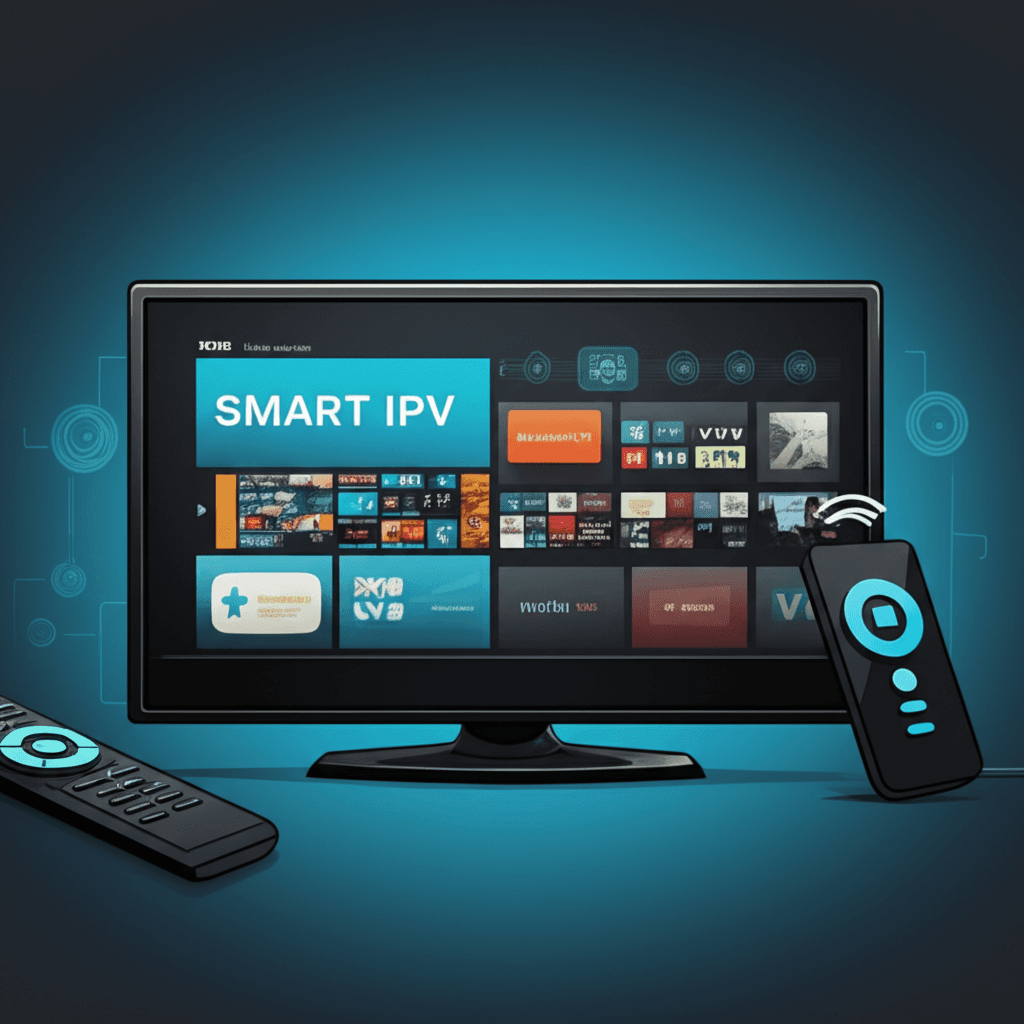
Smart IPTV revolutionized how viewers access streaming content on their televisions, offering a direct way to watch IPTV services without additional hardware. While the landscape has evolved with app store removals and new alternatives, understanding Smart IPTV remains essential for anyone wanting to maximize their smart television's streaming capabilities. This comprehensive guide covers everything from installation to troubleshooting across Samsung, LG, and other smart TV platforms.
What is Smart IPTV?
Smart IPTV refers both to a specific application and the broader concept of watching IPTV directly on smart televisions without external devices. The original Smart IPTV app became one of the most popular IPTV players for Samsung and LG TVs, known for its simple interface and reliable M3U playlist support.
The app works by loading channel playlists from IPTV providers, displaying them in an organized interface with electronic program guide (EPG) support. Users simply configure their provider's playlist URL or credentials, and the app handles stream playback through the TV's built-in media capabilities.
Smart IPTV's popularity stemmed from eliminating the need for additional streaming devices—viewers could access thousands of channels directly through their TV's native app environment, using the regular TV remote for navigation without extra hardware cluttering their entertainment setup.
Smart IPTV on Samsung TVs
Samsung Smart TVs run on the Tizen operating system, which historically offered excellent IPTV app compatibility. While the original Smart IPTV app was removed from Samsung's official app store, installation remains possible through sideloading on many Samsung TV models.
Tizen Compatibility: Samsung TVs from 2016 onwards generally support IPTV applications when properly configured. Older models (2015 and earlier) may have limited compatibility due to discontinued software support. Check your TV's model year and Tizen version for specific compatibility information.
Sideloading Process: Installing Smart IPTV on newer Samsung TVs requires enabling developer mode and using tools to install the app package directly. This process varies by TV model year and requires following current guides specific to your Tizen version, as Samsung periodically changes sideloading procedures.
Performance Considerations: Samsung TVs generally handle IPTV streaming well, though older models may struggle with 4K streams or large channel lists exceeding 10,000 entries. For optimal performance, use wired ethernet connections when possible and consider channel list size limitations on older hardware.
Smart IPTV on LG TVs
LG Smart TVs use the WebOS operating system, which has different characteristics and limitations compared to Samsung's Tizen platform. Understanding these differences helps optimize your IPTV experience on LG televisions.
WebOS Versions: LG has released multiple WebOS generations, each with varying levels of third-party app support. WebOS 6.0 and newer versions have more restrictive app policies, making native IPTV app installation challenging. Older WebOS versions (3.0-5.0) may still support sideloaded applications with proper configuration.
Alternative Approaches: Many LG TV owners find connecting external streaming devices more practical than attempting native app installation. Amazon Fire TV Stick, Chromecast with Google TV, or Android TV boxes connected to LG TVs provide broader app compatibility and more reliable IPTV experiences than WebOS native solutions.
Built-in Features: LG TVs include some built-in media streaming capabilities through the media player app, which can sometimes play M3U playlists directly. However, this method lacks the organized interface and EPG support of dedicated IPTV applications.
Setting Up Smart IPTV
Regardless of platform, Smart IPTV setup follows a general process involving app installation, device registration, and playlist configuration. Understanding each step ensures successful setup and optimal viewing experience.
Step 1 - Installation: Install the Smart IPTV app through your TV's app store (if available) or through sideloading methods appropriate for your platform. The app may require a one-time activation fee (approximately $5-7 USD) after a trial period.
Step 2 - MAC Address Registration: Launch the app and note the MAC address displayed on screen. This unique identifier connects your specific device to your playlist configuration. Keep this address secure as it's used for all playlist management.
Step 3 - Playlist Configuration: Visit the Smart IPTV website's playlist upload page. Enter your MAC address and either your M3U playlist URL (provided by your IPTV service) or Xtream Codes API credentials. Submit the configuration and restart the app on your TV to load channels.
Step 4 - EPG Setup: For electronic program guide functionality, add your provider's EPG URL to the configuration. This enables program information display, making channel navigation more intuitive with show titles, descriptions, and scheduling information.
Smart IPTV Alternatives
As Smart IPTV availability has become limited on official app stores, several alternatives have emerged offering similar or enhanced functionality. Each has distinct advantages depending on your platform and feature requirements.
IPTV Smarters Pro: One of the most popular alternatives, offering both M3U and Xtream Codes support with a polished interface. Available through sideloading on smart TVs and natively on streaming devices. Known for excellent EPG integration and multiple playlist management.
Duplex IPTV: A newer application gaining popularity, available on some Samsung and LG models through official or alternative channels. Offers modern interface design with features like favorites management, catch-up TV support, and parental controls.
OTT Navigator: Highly customizable IPTV player with advanced features for power users. Supports multiple playlist formats, extensive EPG options, and detailed playback settings. Best suited for users wanting granular control over their viewing experience.
TiviMate: Considered by many as the best IPTV player available, though limited to Android-based platforms. If using an Android TV box or Chromecast with Google TV connected to your smart TV, TiviMate offers unmatched features and user experience.
External Devices vs Native Apps
Many smart TV owners face the choice between attempting native IPTV app installation or connecting external streaming devices. Both approaches have merits, and the best choice depends on your specific situation and priorities.
Native App Advantages: No additional hardware required, single remote control operation, cleaner entertainment center setup, and potentially faster channel switching through TV's direct processing. Works best when reliable apps are available for your specific TV model.
External Device Advantages: Broader app compatibility, more frequent app updates, generally better performance with demanding streams, easier troubleshooting, and independence from TV platform restrictions. Devices like Fire TV Stick cost $30-50 and dramatically expand IPTV options.
Recommended Approach: For most users, connecting an affordable streaming device (Fire TV Stick, Android TV box) provides the most reliable and feature-rich IPTV experience, regardless of smart TV brand. This future-proofs your setup against app store policy changes affecting native TV apps.
Troubleshooting Common Issues
Smart IPTV users frequently encounter certain issues. Understanding causes and solutions helps maintain smooth streaming experiences without frustrating interruptions.
Buffering and Freezing: The most common complaint, typically caused by internet speed issues, WiFi interference, or provider server problems. Test with wired ethernet connection, verify speeds meet requirements (15+ Mbps for HD), try different channels to isolate provider vs local issues, and consider lowering stream quality settings.
Playlist Not Loading: Usually indicates incorrect URL entry, expired playlist credentials, or network connectivity problems. Verify your playlist URL is complete and correctly formatted, confirm your IPTV subscription is active, and check that your TV can access the internet properly.
EPG Not Displaying: Electronic program guide issues often stem from missing or incorrect EPG URL configuration, incompatible EPG formats, or timeouts loading large EPG files. Verify your EPG URL with your provider, ensure time zone settings are correct, and try refreshing EPG data through app settings.
App Crashing: Memory limitations on older smart TVs can cause crashes with large channel lists. Reduce playlist size if possible, clear app cache regularly, and ensure your TV's firmware is updated. If crashes persist, consider switching to an external streaming device.
Optimizing Your Smart IPTV Experience
Beyond basic setup, several optimizations improve Smart IPTV viewing quality and reliability. Implementing these suggestions maximizes your smart TV's streaming performance.
Network Optimization: Use wired ethernet whenever possible—even modern WiFi can introduce buffering that ethernet eliminates. If WiFi is necessary, ensure your TV connects to 5GHz networks (faster but shorter range) rather than 2.4GHz when possible, and position your router with clear line of sight to the TV.
Playlist Management: Large playlists with tens of thousands of channels strain TV processors. Request edited playlists from your provider containing only channels you actually watch, or use IPTV playlist editors to create streamlined custom lists.
Regular Maintenance: Clear app cache periodically, update TV firmware when available, and refresh playlist/EPG data weekly to ensure channel information stays current. Outdated data causes playback failures for changed channel URLs.
Quality Settings: Match stream quality to your actual display capabilities. Streaming 4K content to a 1080p TV wastes bandwidth without visual benefit. Configure default quality settings to balance picture quality with reliable playback on your specific internet connection.
Smart TV IPTV Future
The smart TV IPTV landscape continues evolving as manufacturers update their platforms and app policies change. Staying informed about developments helps maintain uninterrupted access to your streaming content.
Trend Toward Restrictions: Major TV manufacturers increasingly restrict third-party app installation, potentially limiting native IPTV options further. This trend emphasizes the value of external streaming devices for long-term IPTV reliability.
Emerging Alternatives: New IPTV applications continue emerging, with some achieving official app store presence through careful compliance with platform policies. Stay aware of newly available options for your specific TV platform.
Hardware Improvements: Newer smart TVs include more powerful processors better capable of handling IPTV demands. If purchasing a new TV, research IPTV compatibility and sideloading options for different brands and models before buying.
Frequently Asked Questions
Is Smart IPTV still available on Samsung and LG app stores?
The original Smart IPTV app was removed from Samsung and LG official app stores in 2020-2021. However, it can still be installed through sideloading methods on many Samsung Tizen TVs. For LG WebOS TVs, alternative apps or external streaming devices are recommended.
What are the best Smart IPTV alternatives for Samsung TVs?
Popular alternatives include IPTV Smarters Pro (available through sideloading), OTT Navigator, Duplex IPTV, and TiviMate (via external devices). Many users also connect streaming devices like Amazon Fire TV Stick to their Samsung TVs for broader app compatibility.
How do I add channels to Smart IPTV?
Smart IPTV uses M3U playlist URLs or Xtream Codes credentials. Note your TV's MAC address from the app, visit the Smart IPTV website, enter your MAC address and your provider's playlist URL or credentials, then restart the app to load channels.
Why does Smart IPTV buffer or freeze on my Smart TV?
Buffering typically results from insufficient internet speed (need 15+ Mbps for HD, 25+ for 4K), WiFi signal issues, server-side problems, or TV's limited processing power. Try ethernet connection, lower stream quality, clear app cache, or test during off-peak hours to identify the cause.