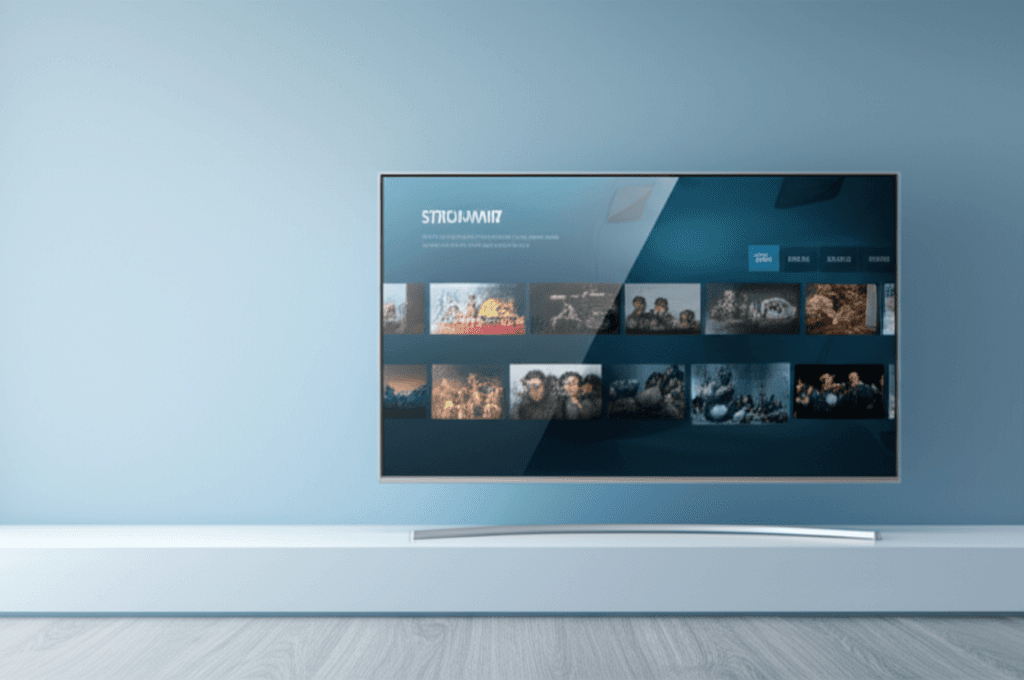
The Evolution of Television Technology
Television technology has undergone remarkable transformation over the past two decades. What were once simple display devices receiving broadcast signals have evolved into sophisticated computing platforms capable of streaming content from anywhere in the world. Modern smart TVs combine display technology, processing power, operating systems, and network connectivity into integrated entertainment hubs that serve as the centerpiece of home media consumption.
The concept of connected television emerged in the late 2000s as manufacturers began integrating internet connectivity and applications into their displays. Early smart TVs offered limited functionality with proprietary apps and clunky interfaces. Today's smart TVs run full operating systems supporting thousands of applications, voice control, smart home integration, and advanced display technologies that deliver stunning picture quality impossible just a decade ago.
Smart TV Operating Systems
Samsung's Tizen OS powers the world's best-selling television brand, running on millions of Samsung TVs worldwide. Tizen offers a clean interface, good performance, and a robust app ecosystem that includes all major streaming services. Samsung maintains tight control over Tizen development, ensuring consistent performance across their TV lineup. The platform supports advanced features like multi-view and gaming-specific modes that leverage Samsung's hardware capabilities.
LG's WebOS distinguishes itself through exceptional user interface design and the innovative Magic Remote that enables point-and-click navigation similar to a computer mouse. Originally developed by Palm for mobile devices, WebOS found new life when LG acquired it in 2013. The platform's app launcher provides quick access to content while maintaining system responsiveness. WebOS particularly shines on LG's OLED displays, with features optimized for the technology's unique capabilities.
Google TV (formerly Android TV) provides the most open smart TV platform, running on televisions from Sony, TCL, Hisense, and numerous other manufacturers. The platform offers access to Google Play Store's vast application library, Google Assistant integration, and the ability to sideload applications not available in the official store. Google TV's content aggregation presents recommendations across streaming services, helping users discover content regardless of which service hosts it.
Smart TV Platform Comparison
- •Tizen (Samsung): Clean interface, Samsung ecosystem integration, good gaming features
- •WebOS (LG): Intuitive design, Magic Remote, excellent on OLED panels
- •Google TV: Largest app selection, voice control, content aggregation across services
- •Roku TV: Simple interface, extensive free content, channel-based navigation
- •Fire TV (Amazon): Alexa integration, Prime Video optimization, affordable devices
Display Technology Fundamentals
Display technology dramatically affects streaming content quality and overall viewing experience. OLED (Organic Light-Emitting Diode) displays represent the current premium standard, with each pixel producing its own light and achieving perfect black levels through complete pixel shutdown. This creates infinite contrast ratios and exceptional picture quality, particularly beneficial for HDR content where highlights pop against deep blacks.
LED-LCD televisions use LED backlights behind liquid crystal panels that control light passage. Traditional edge-lit models place LEDs around panel edges, while full-array local dimming (FALD) positions LEDs directly behind the screen in zones that can dim independently. Mini-LED technology dramatically increases zone count, approaching OLED-like contrast while maintaining LED's brightness advantages. QLED adds quantum dot enhancement for improved color volume.
Resolution has progressed from Full HD (1080p) through 4K Ultra HD (2160p) to 8K (4320p). While 4K content is now widely available from streaming services, 8K content remains limited. The visual benefit of higher resolutions depends on screen size and viewing distance—at typical viewing distances, 4K provides significant improvement over 1080p on screens 55 inches and larger, while 8K benefits require very large screens or closer seating positions.
HDR and Color Technology
High Dynamic Range (HDR) expands the range of brightness and color televisions can display, creating more lifelike images with greater detail in both shadows and highlights. Multiple HDR formats exist: HDR10 serves as the baseline standard supported by virtually all HDR TVs, while Dolby Vision adds dynamic metadata that optimizes picture settings scene-by-scene. HDR10+ offers similar dynamic capabilities as an open standard alternative to Dolby's proprietary format.
Wide Color Gamut (WCG) capabilities allow TVs to display colors beyond the traditional Rec. 709 standard used for HD content. DCI-P3, the digital cinema color space, has become the target for HDR content, with some TVs reaching even broader Rec. 2020 coverage. These expanded color capabilities make streaming content appear more vibrant and natural when properly mastered and delivered.
Display Technology Comparison
- •OLED: Perfect blacks, infinite contrast, wide viewing angles, risk of burn-in
- •QLED/LED: High brightness, no burn-in risk, lower contrast than OLED
- •Mini-LED: Improved contrast over standard LED, high brightness, FALD zones
- •QD-OLED: Combines OLED contrast with quantum dot color, emerging technology
- •MicroLED: Future technology promising OLED benefits without burn-in concerns
Application Ecosystems
Smart TV app ecosystems vary significantly by platform, affecting which services users can access directly on their televisions. Major streaming services like Netflix, Amazon Prime Video, Disney+, and YouTube maintain applications across all major platforms. However, smaller services, regional apps, and specialized IPTV players may only be available on certain platforms or require workarounds for installation.
Google TV's access to the Play Store provides the broadest application selection among smart TV platforms. Users can install most Android applications designed for television interfaces, and the platform's sideloading capability enables installation of apps not available through official channels. This flexibility makes Android TV-based televisions particularly attractive for users requiring specific applications unavailable on other platforms.
Samsung and LG maintain curated app stores with more restricted selections than Google TV. While all major streaming services are available, specialized applications may be missing or delayed in reaching these platforms. Both manufacturers have improved developer support over time, but users with specific app requirements should verify availability before purchase. Third-party streaming applications often face additional hurdles on these platforms.
Network Connectivity
Network connectivity significantly impacts smart TV streaming performance. Built-in WiFi has become universal in modern smart TVs, typically supporting both 2.4GHz and 5GHz bands with WiFi 5 (802.11ac) or WiFi 6 (802.11ax) standards. Higher-end models may include WiFi 6E support for the new 6GHz band, offering less congestion and higher speeds where router support exists.
Ethernet connectivity provides the most reliable streaming experience, eliminating WiFi variability entirely. Most smart TVs include at least one Ethernet port, typically supporting Gigabit speeds. For 4K HDR streaming with high bitrates, Ethernet connections ensure consistent bandwidth delivery without the interference and distance limitations affecting WiFi performance.
TV placement relative to routers affects WiFi performance significantly. Wall materials, distance, and interference from other devices can degrade signal quality even with strong routers. 5GHz connections offer higher speeds but shorter range than 2.4GHz. Users experiencing streaming issues on WiFi should consider Ethernet connections, WiFi extenders, or mesh network systems to improve coverage.
Video Processing Capabilities
Smart TV processors handle video decoding, upscaling, and picture enhancement. More powerful processors enable smoother navigation, faster app loading, and better handling of high-bitrate content. Premium televisions from Samsung, LG, and Sony feature custom processors optimized for their specific display technologies, offering AI-powered upscaling and picture enhancements not possible with basic chipsets.
Upscaling technology improves lower-resolution content for display on 4K panels. AI-powered upscaling analyzes content in real-time, enhancing detail and reducing artifacts in ways traditional scaling cannot achieve. This matters significantly for streaming, where bandwidth constraints may limit resolution to 1080p or lower even on 4K televisions. Quality upscaling makes compressed streaming content appear sharper than its native resolution suggests.
Motion handling varies considerably between televisions, affecting sports and action content particularly. Frame interpolation technologies can smooth motion but sometimes create artificial-looking results (the "soap opera effect"). Response times and input lag matter for gaming. High-end televisions offer adjustable motion settings and dedicated gaming modes that reduce input lag while maintaining picture quality.
Future Television Technology
Television technology continues advancing rapidly. MicroLED promises OLED-like picture quality without burn-in risk, though current implementations remain expensive and limited to very large sizes. Transparent displays and rollable OLED screens offer new form factors for living spaces. AI integration is deepening, with televisions learning viewing preferences and automatically optimizing settings for different content types.
Smart TV platforms are evolving toward deeper integration with smart home ecosystems. Matter protocol support enables televisions to serve as smart home hubs, controlling lights, thermostats, and security systems. Voice assistants continue improving, with TVs responding to natural language commands for content discovery, playback control, and information queries without dedicated remote buttons.