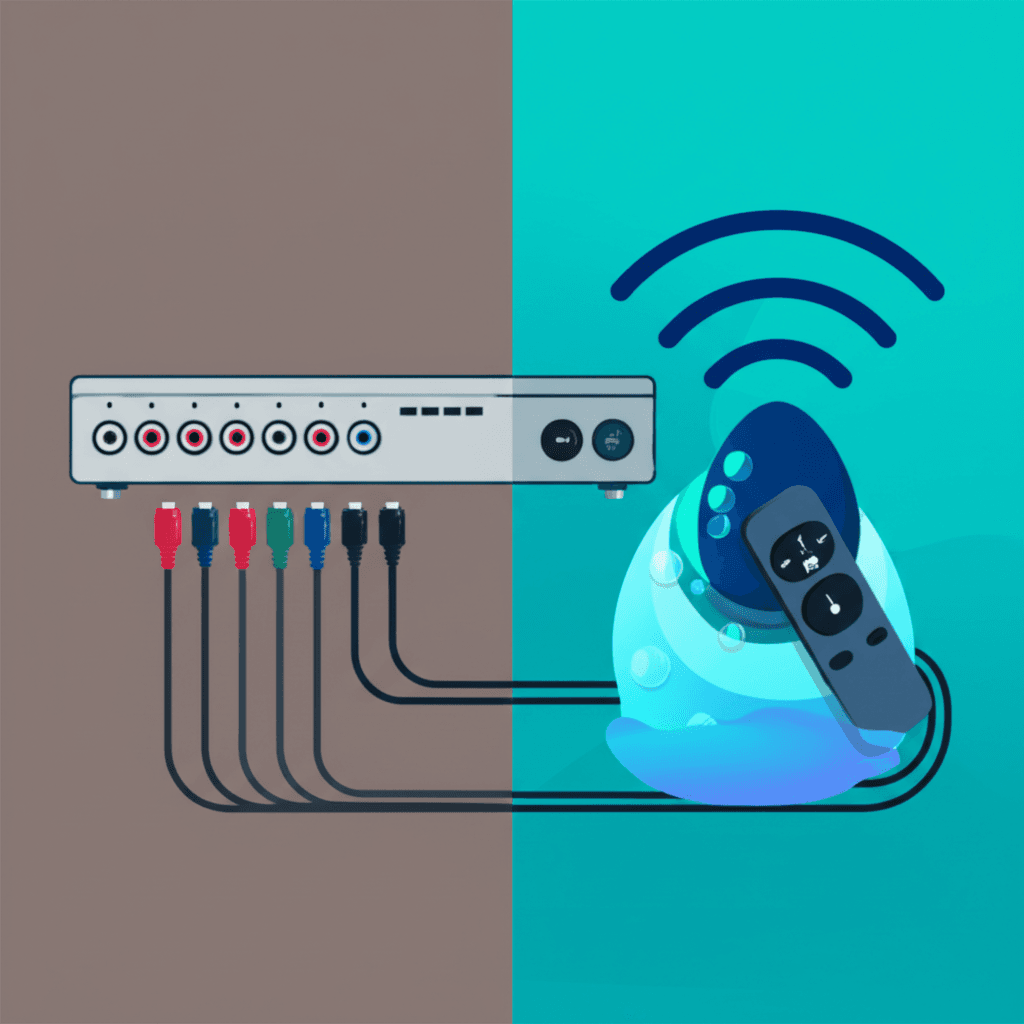
The Evolution of Television Delivery
Television delivery has undergone remarkable transformation since the first broadcast signals traveled through airwaves to home antennas. Cable television revolutionized viewing in the latter twentieth century by running dedicated wires directly to homes, enabling reliable multi-channel service independent of antenna quality or geography. Now, Internet Protocol Television represents the next evolution, leveraging the same internet infrastructure used for email and web browsing to deliver television content with unprecedented flexibility.
Understanding the differences between IPTV and cable requires examining both technologies from multiple perspectives. Each approach carries distinct advantages and limitations that affect different viewers differently based on their specific circumstances, viewing habits, and priorities. Neither technology proves universally superior—the right choice depends on individual needs that this comparison aims to clarify.
The cord-cutting movement has accelerated examination of alternatives to traditional cable, with millions of households evaluating whether internet-based television can meet their needs at lower cost. This trend reflects both dissatisfaction with cable pricing structures and growing comfort with streaming technology that now feels natural to generations raised on digital content consumption.
Technology and Infrastructure
Cable television operates through purpose-built infrastructure that cable companies have developed and maintained over decades. Coaxial cables or fiber-optic lines carry television signals from regional headends to neighborhood nodes and ultimately to individual homes. This dedicated infrastructure means cable service operates independently of internet usage—television works normally even when internet service experiences problems or congestion.
IPTV eliminates the need for dedicated television infrastructure by utilizing standard internet connections that most homes already possess. Content travels as data packets across the same networks used for web browsing, video calls, and file downloads. This shared infrastructure provides flexibility but also introduces dependencies—IPTV only works when internet service functions properly and available bandwidth proves sufficient for streaming demands.
Equipment requirements differ substantially between the two approaches. Cable typically requires provider-supplied equipment—cable boxes that decode signals and often DVR devices for recording. IPTV works with various consumer devices: smart TVs, streaming sticks, set-top boxes, smartphones, tablets, and computers. This device flexibility represents a significant advantage for viewers who prefer using equipment they already own or selecting their preferred devices rather than accepting provider-mandated hardware.
Cost Structure Comparison
Cable television pricing has become notorious for complexity that obscures true costs until bills arrive. Advertised prices typically exclude equipment rental fees, broadcast television fees, regional sports network fees, regulatory recovery fees, and various taxes. These additions routinely increase monthly costs by $20-40 beyond quoted prices. Multi-year promotional pricing eventually expires, causing significant bill increases that catch subscribers off-guard.
IPTV services generally offer simpler pricing structures with fewer hidden fees. Monthly costs tend to be lower than cable equivalents, though direct comparison requires accounting for the internet service necessary for IPTV operation. Viewers without existing high-speed internet must factor connection costs into their calculations. Those already paying for internet primarily for other uses can view IPTV as an incremental cost potentially much lower than cable.
Contract requirements represent another cost consideration. Cable providers often require one or two-year commitments with substantial early termination fees, locking customers into service regardless of satisfaction. IPTV services more commonly offer month-to-month subscriptions enabling easy cancellation without penalty. This flexibility reduces financial risk but may mean slightly higher per-month costs compared to contract rates.
Content and Channel Selection
Cable providers offer channel packages organized into tiers, with popular channels often requiring higher-cost packages to access. Regional content typically includes local broadcast affiliates, regional sports networks, and local news channels specific to the service area. Package structures mean customers often pay for many channels they never watch simply to access the few they want—a long-standing complaint driving cord-cutting interest.
IPTV services frequently provide extensive channel selections including international content difficult or impossible to obtain through cable. Viewers seeking programming from other countries—whether for language, cultural connection, or content preference—often find IPTV their only practical option. The global nature of internet delivery enables content aggregation from multiple regions without the infrastructure limitations constraining cable's geographic reach.
On-demand libraries represent an area where IPTV often excels, with services combining live channels with extensive movie and series catalogs. While cable providers offer on-demand content, their libraries typically prove smaller and sometimes require additional fees. The integration of live and on-demand content in single IPTV interfaces reflects how modern viewers consume content—mixing scheduled programming with library exploration.
Reliability and Quality
Cable television demonstrates remarkable reliability born from decades of infrastructure development and optimization. Service remains consistent regardless of neighborhood internet usage patterns or peak streaming times. Weather and physical damage to cables represent primary reliability concerns, though modern cable plants resist these issues effectively. Quality stays constant at whatever resolution the service provides—no adaptive bitrate switching or buffering interruptions.
IPTV reliability depends on internet connection quality, introducing variability that cable avoids. Fast, stable connections with adequate bandwidth support excellent streaming quality. Network congestion during peak usage hours, Wi-Fi interference, or ISP issues can degrade quality or cause buffering that interrupts viewing. For critical viewing moments—championship games, season finales, live events—this variability introduces risk that cable's consistency avoids.
Picture quality potential has converged between the technologies. Modern cable supports 4K where available, as does IPTV given sufficient bandwidth. In practice, IPTV's adaptive streaming may deliver higher average quality on good connections by efficiently utilizing available bandwidth, while cable's fixed bitrates sometimes use bandwidth less efficiently. The quality experience depends more on specific service implementation and connection conditions than inherent technological limitations.
Flexibility and Portability
Cable television anchors to physical locations where cable infrastructure exists. Watching cable requires being at home—or potentially another location with cable service and your provider's equipment. Some cable providers offer streaming apps enabling mobile viewing, but these typically carry restrictions and may not include all channels. The fundamental architecture ties service to physical locations.
IPTV's internet-based delivery enables viewing anywhere with adequate connectivity. Travel doesn't interrupt service—hotel Wi-Fi, mobile data, or other internet access points become television access points. Multiple devices can access service, enabling viewing on televisions, tablets, phones, or computers depending on circumstances. This flexibility particularly appeals to travelers, those with multiple residences, or viewers who value mobility.
Simultaneous streaming capabilities vary between services but often exceed cable's television limitations. Cable boxes typically tie to individual televisions, with additional boxes incurring extra monthly fees. IPTV services commonly allow multiple concurrent streams enabling household members to watch different content on different devices simultaneously. This multi-device flexibility better accommodates modern household viewing patterns.
Sports and Live Events
Sports programming represents a crucial consideration for many viewers evaluating cable alternatives. Cable providers typically include regional sports networks carrying local professional teams—programming that proves difficult to replicate through streaming. Blackout rules can affect IPTV access to local games even when channels are ostensibly available. Viewers whose television consumption centers on local sports should verify specific team availability before abandoning cable.
National sports coverage proves more accessible through IPTV, with major networks and sports channels commonly included. International sports—soccer leagues worldwide, cricket, rugby, and other sports with limited American television presence—often becomes more accessible through IPTV than cable alternatives. The global content aggregation that defines IPTV particularly benefits viewers with international sports interests.
Live event latency sometimes differs between delivery methods. Cable's dedicated infrastructure can deliver broadcasts with minimal delay, while IPTV streams may run seconds behind live action. For most viewing, this slight delay causes no issues, but sports fans following games on social media or in social settings may notice IPTV running behind others watching via cable or antenna. This latency varies by service and has improved as streaming technology matures.
Making the Right Choice
The optimal choice between IPTV and cable depends on individual circumstances that generalizations cannot capture. Viewers prioritizing cost savings, device flexibility, and content variety often find IPTV compelling. Those valuing consistent reliability, local sports access, and established customer service infrastructure may prefer cable despite higher costs. Neither option proves universally superior.
Practical evaluation should consider existing internet service quality, specific content requirements, viewing location needs, and comfort with technology. Trialing IPTV services before canceling cable enables risk-free evaluation of whether streaming meets household needs. The flexibility of month-to-month IPTV subscriptions facilitates this testing without commitment.
The television industry continues evolving, with boundaries between cable, streaming, and IPTV blurring as technologies converge. Cable providers increasingly offer streaming options while streaming services expand live channel offerings. This convergence suggests that distinct categories may eventually merge into unified services combining the best attributes of each approach.
Frequently Asked Questions
What are the main differences between IPTV and cable television?
The fundamental difference lies in delivery technology: cable television transmits content through dedicated coaxial or fiber-optic cable infrastructure, while IPTV delivers content over internet connections. Cable requires professional installation and specific equipment from the provider, whereas IPTV works on existing internet connections with various devices. Cable typically offers fixed channel packages with contracts, while IPTV often provides more flexible subscription options. Picture quality can be comparable, though IPTV streaming quality depends on internet bandwidth while cable quality remains consistent regardless of neighborhood internet usage.
Is IPTV more cost-effective than cable TV?
IPTV generally offers lower monthly costs compared to cable television, though total cost comparison requires considering several factors. Cable bills often include equipment rental fees, broadcast fees, regional sports fees, and taxes that increase advertised prices significantly. IPTV services typically have simpler pricing but require existing internet service, which adds to overall cost if not already present. Hidden costs differ too—cable may have installation fees and early termination penalties, while IPTV might require purchasing streaming devices. The most cost-effective choice depends on what services you already have and your viewing preferences.
How does picture quality compare between IPTV and cable?
Modern cable systems typically deliver consistent picture quality up to 1080p or 4K on premium tiers, unaffected by internet congestion since they use dedicated infrastructure. IPTV quality depends on both the service's encoding and your internet connection—a fast, stable connection can deliver excellent 4K quality, but network congestion or insufficient bandwidth causes quality reduction or buffering. Cable quality remains constant during peak internet usage times when IPTV might struggle. However, IPTV services using efficient codecs like HEVC can deliver excellent quality at lower bitrates than cable typically uses.
Can I use IPTV to completely replace cable television?
Many viewers successfully replace cable with IPTV, though suitability depends on viewing habits and technical requirements. IPTV excels at providing diverse channel selections, international content, and on-demand programming at lower costs. Limitations include potential reliability issues during internet outages, possible sports blackouts for local teams, and varying DVR functionality. Households requiring multiple simultaneous streams, extremely reliable service for can't-miss events, or specific regional sports coverage should evaluate whether IPTV meets those specific needs before canceling cable.
Cable TV Characteristics
- • Dedicated infrastructure
- • Consistent reliability
- • Local sports coverage
- • Higher monthly costs
- • Equipment rental fees
IPTV Characteristics
- • Internet-based delivery
- • Device flexibility
- • Global content access
- • Lower monthly costs
- • No contracts typically