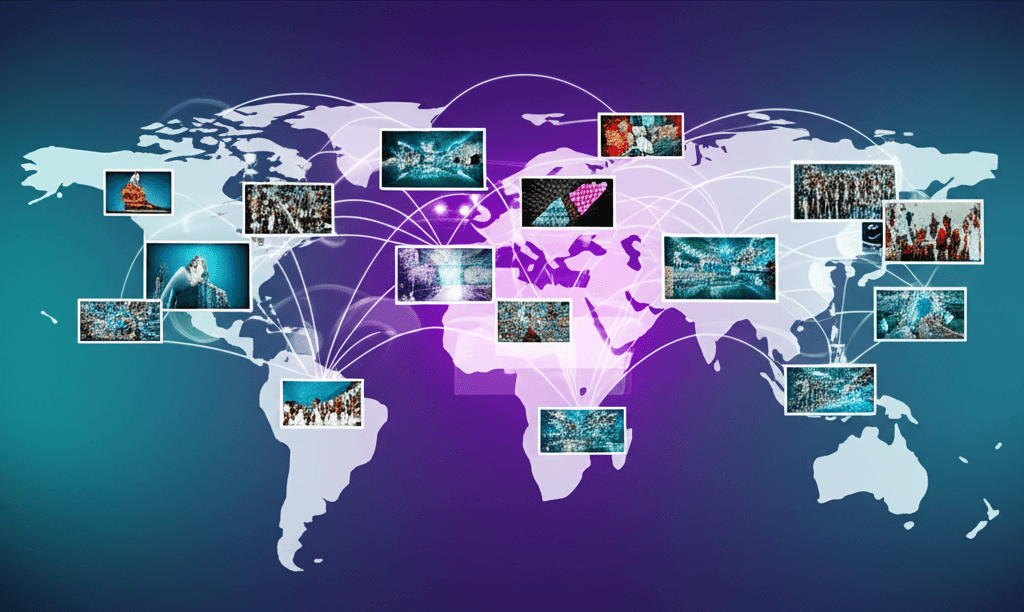
Understanding International Television Distribution
The landscape of international television has undergone a profound transformation since the advent of Internet Protocol Television. What once required expensive satellite dishes, complex antenna systems, or specialized cable packages to access foreign programming is now achievable through standard internet connections. This democratization of global content access has created opportunities for viewers to engage with television programming from virtually any country in the world, fundamentally changing how audiences consume international media.
International IPTV represents one of the most significant developments in broadcasting history, enabling real-time content delivery across continental boundaries without the infrastructure limitations of traditional transmission methods. Satellite television required line-of-sight access and expensive reception equipment, while cable television remained geographically limited to areas with physical infrastructure. IPTV bypasses these constraints entirely, using the existing internet backbone to deliver content anywhere with sufficient connectivity.
The global television market now encompasses thousands of broadcasters across hundreds of countries, each producing content tailored to their domestic audiences while simultaneously attracting international viewership. Understanding this ecosystem requires familiarity with broadcast standards, licensing structures, and the technical infrastructure that enables seamless cross-border content delivery.
The Global Broadcasting Ecosystem
Television broadcasting varies dramatically across different regions, reflecting cultural preferences, regulatory environments, and economic conditions that shape how content is produced and distributed. Europe operates under a mixed public-private broadcasting model, with strong public service broadcasters like the BBC, ARD, France Télévisions, and RAI coexisting with commercial networks. This dual system produces diverse programming that ranges from publicly funded documentaries and news to commercial entertainment and sports.
Asian television markets demonstrate remarkable diversity, from Japan's sophisticated broadcasting industry with NHK and commercial networks to India's massive multi-language television ecosystem serving over a billion viewers across dozens of regional languages. China's state-controlled broadcasting system operates differently from South Korea's competitive commercial market, which has achieved global recognition through the Korean Wave phenomenon. These variations create a rich tapestry of international content that appeals to different viewer preferences.
The Americas present another distinct model, with the United States' commercially-driven system contrasting with Canada's regulated approach that emphasizes domestic content quotas. Latin American television features powerful commercial broadcasters like Televisa and Globo alongside emerging streaming-first players. Each regional market has developed unique programming styles, production standards, and viewer expectations that international IPTV services must accommodate.
Technical Infrastructure for Global Delivery
Delivering television content across international boundaries requires sophisticated technical infrastructure that addresses the fundamental challenges of distance, bandwidth, and quality maintenance. Content Delivery Networks form the backbone of international IPTV, strategically placing servers across multiple continents to minimize the distance data must travel to reach viewers. Major CDN providers maintain thousands of edge servers worldwide, ensuring that viewers in Tokyo receive content from nearby servers rather than distant origins.
The undersea fiber optic cable network represents critical infrastructure for international streaming, with cables like the MAREA connecting the Americas to Europe at 160 terabits per second capacity. The Asia-America Gateway, Pacific Crossing, and numerous other cables create a global mesh of connectivity that enables real-time video transmission across oceans. These investments in physical infrastructure have made international streaming practical at scales previously impossible.
Adaptive bitrate streaming technology plays a crucial role in international delivery, automatically adjusting video quality based on available bandwidth. A viewer in a region with robust internet infrastructure might receive 4K streams, while someone in an area with limited connectivity automatically receives lower resolution content that plays without buffering. This flexibility ensures accessible viewing experiences regardless of local infrastructure conditions.
Content Licensing and Distribution Rights
The complexities of international content licensing create significant challenges for global television distribution. When production companies create content, they typically sell distribution rights on a territory-by-territory basis, with each country or region negotiating separate agreements. A television series produced in the United Kingdom might be sold to different broadcasters in each European country, to specific networks in Asia-Pacific markets, and to streaming platforms in the Americas—each deal carrying different terms, durations, and exclusivity provisions.
Sports rights exemplify the complexity of international licensing, with major events like the FIFA World Cup, Olympics, and Formula One selling broadcast rights to different entities in each country. A single Premier League match might be broadcast by NBC in the United States, Sky Sports in the UK, DAZN in Germany, and beIN Sports across the Middle East and North Africa—each paying different amounts based on their market's commercial value. These territorial arrangements create the geo-restrictions that affect international viewers.
News programming faces different licensing considerations, with major international news networks like CNN, BBC World, Al Jazeera, and France 24 operating global feeds designed for international distribution from inception. These channels navigate complex regulatory environments across different countries while maintaining editorial consistency. Their distribution agreements often differ from entertainment content, reflecting the different commercial models that support news broadcasting.
Multi-Language Broadcasting Challenges
International IPTV services must address the fundamental challenge of language diversity, with viewers seeking content in their native languages regardless of where they live. This requirement drives several technical and content strategies, from multi-audio track support that allows viewers to select preferred language options to comprehensive subtitle systems that make foreign content accessible to broader audiences.
Professional dubbing represents a significant investment in content localization, with major productions often dubbed into dozens of languages for international distribution. The quality of dubbing varies considerably, from high-quality voice acting that attempts to match lip movements to simpler voice-over approaches common in some markets. Different regions have different preferences—German audiences typically prefer dubbed content, while Dutch viewers generally favor original audio with subtitles.
Subtitle technology has evolved to support international streaming, with modern systems handling multiple languages simultaneously, supporting various character sets from Latin scripts to complex Asian characters, and enabling real-time captioning for live broadcasts. Closed captioning for hearing-impaired viewers adds another layer of complexity, requiring accurate transcription and timing that works across different languages and broadcast standards.
Expatriate and Diaspora Communities
International IPTV services serve significant populations of expatriates and diaspora communities who seek access to programming from their countries of origin. The United Nations estimates that approximately 281 million people live outside their country of birth, creating substantial demand for international content. These viewers maintain cultural connections through television, following news from home, watching familiar entertainment, and sharing programming with subsequent generations born abroad.
The Indian diaspora, numbering over 18 million people worldwide, represents one of the largest international television audiences. These viewers seek access to programming in Hindi, Tamil, Telugu, Punjabi, and dozens of other Indian languages, maintaining connections to regional content that reflects their specific cultural backgrounds. Similar patterns exist among Chinese communities abroad, Filipino workers in the Gulf states, Turkish populations in Europe, and countless other diaspora groups worldwide.
Language learning represents another significant use case for international IPTV, with students and enthusiasts accessing foreign programming to improve language skills through immersive exposure. Research suggests that watching television in target languages, particularly with subtitles, can significantly accelerate language acquisition. This educational application drives demand for programming in less commonly studied languages that might not otherwise have commercial viability in foreign markets.
Regional Content Characteristics
European television produces diverse content reflecting the continent's linguistic and cultural variety. British programming enjoys widespread international appeal, with BBC productions regularly achieving global distribution. German television features strong public broadcasting with ARD and ZDF, while French television maintains distinctive programming styles. Nordic noir has achieved cult status internationally, with Danish, Swedish, and Norwegian crime dramas attracting dedicated followings. Eastern European television markets continue developing, with Polish and Czech productions gaining regional recognition.
Asian content has achieved unprecedented global popularity, with Korean dramas and variety shows leading the Korean Wave that has captured audiences worldwide. Japanese anime maintains dedicated international fanbases, while live-action Japanese dramas attract smaller but devoted audiences. Indian television produces vast quantities of programming across multiple languages, with Hindi serials dominating domestically while Tamil and Telugu content serves substantial international audiences. Chinese television serves the world's largest domestic market while maintaining strict content regulations that affect international distribution.
Middle Eastern and African television markets serve growing international audiences, with Turkish dizis achieving remarkable popularity across multiple continents. Pan-Arab broadcasters like MBC and OSN distribute throughout the Arabic-speaking world, while African broadcasting continues developing with Nigerian, South African, and Kenyan production hubs emerging. Latin American telenovelas maintain traditional popularity while new formats and streaming-first productions expand the region's content offerings.
Future of International Streaming
The future of international IPTV points toward continued expansion of global content accessibility alongside evolving technological capabilities. Artificial intelligence translation is beginning to enable real-time dubbing and subtitle generation that could dramatically reduce localization costs and timelines. Machine learning algorithms increasingly power content recommendations that help viewers discover international programming matching their preferences, potentially exposing audiences to content from countries and cultures they might never have explored.
Infrastructure investments continue improving international streaming capabilities, with next-generation satellites like Starlink promising connectivity in underserved regions and continued fiber optic expansion increasing capacity on major routes. 5G deployment is improving mobile streaming quality globally, while edge computing reduces latency for real-time content. These technological advances suggest that international streaming will become increasingly seamless regardless of viewer location.
The ongoing tension between territorial licensing and global audience demand will likely drive continued evolution in content distribution models. Some producers are increasingly pursuing global licensing strategies that simplify international access, while traditional territorial models persist where they maximize revenue. Understanding these dynamics helps viewers and industry participants navigate the complex landscape of international television in the streaming era.
Frequently Asked Questions
What is international IPTV and how does it differ from domestic services?
International IPTV refers to streaming services that deliver television content across national borders, providing access to channels and programming from multiple countries worldwide. Unlike domestic IPTV services that focus on local content, international IPTV aggregates broadcasts from numerous regions, often featuring content in multiple languages. These services cater to expatriates, language learners, multicultural households, and viewers interested in foreign programming. International IPTV faces unique challenges including varying broadcast standards, time zone management, and complex licensing arrangements across different jurisdictions.
Why do geo-restrictions exist and how do they affect international streaming?
Geo-restrictions exist primarily due to territorial licensing agreements that govern content distribution rights. When production companies sell broadcast rights, they typically negotiate separate deals for each country or region, creating a patchwork of licensing that varies globally. These restrictions protect local broadcasters who paid for exclusive rights, ensure compliance with regional content regulations, and reflect different market values across territories. International viewers often encounter these restrictions when traveling abroad or attempting to access content from their home country while living overseas.
What technical challenges affect international IPTV delivery?
International IPTV faces several technical challenges including network latency across long distances, varying internet infrastructure quality between countries, different broadcast standards (PAL vs NTSC), and time zone management for live programming. Content delivery networks must maintain servers globally to minimize buffering, while adaptive bitrate streaming helps accommodate varying connection speeds. Multi-language audio track synchronization, subtitle encoding compatibility, and metadata localization add complexity. Additionally, international services must handle diverse payment methods, currencies, and regulatory requirements across different markets.
How has internet infrastructure affected global television distribution?
Internet infrastructure development has revolutionized global television distribution by enabling direct-to-consumer streaming that bypasses traditional satellite and cable networks. Undersea fiber optic cables now connect continents with massive bandwidth capacity, while CDN technology places content servers closer to viewers worldwide. 5G deployment is improving mobile streaming quality in developing markets, and cloud computing allows dynamic resource allocation based on regional demand. However, significant disparities remain between countries, with some regions still struggling with limited bandwidth that affects streaming quality.
Major Broadcasting Regions
- • Europe - Public/Private Mixed Systems
- • Asia-Pacific - Diverse Markets
- • Middle East - Pan-Arab Networks
- • Americas - Commercial Dominance
- • Africa - Emerging Production Hubs
Technical Requirements
- • Global CDN Infrastructure
- • Multi-Language Audio Support
- • Adaptive Bitrate Streaming
- • Subtitle/Caption Systems
- • Time Zone Management